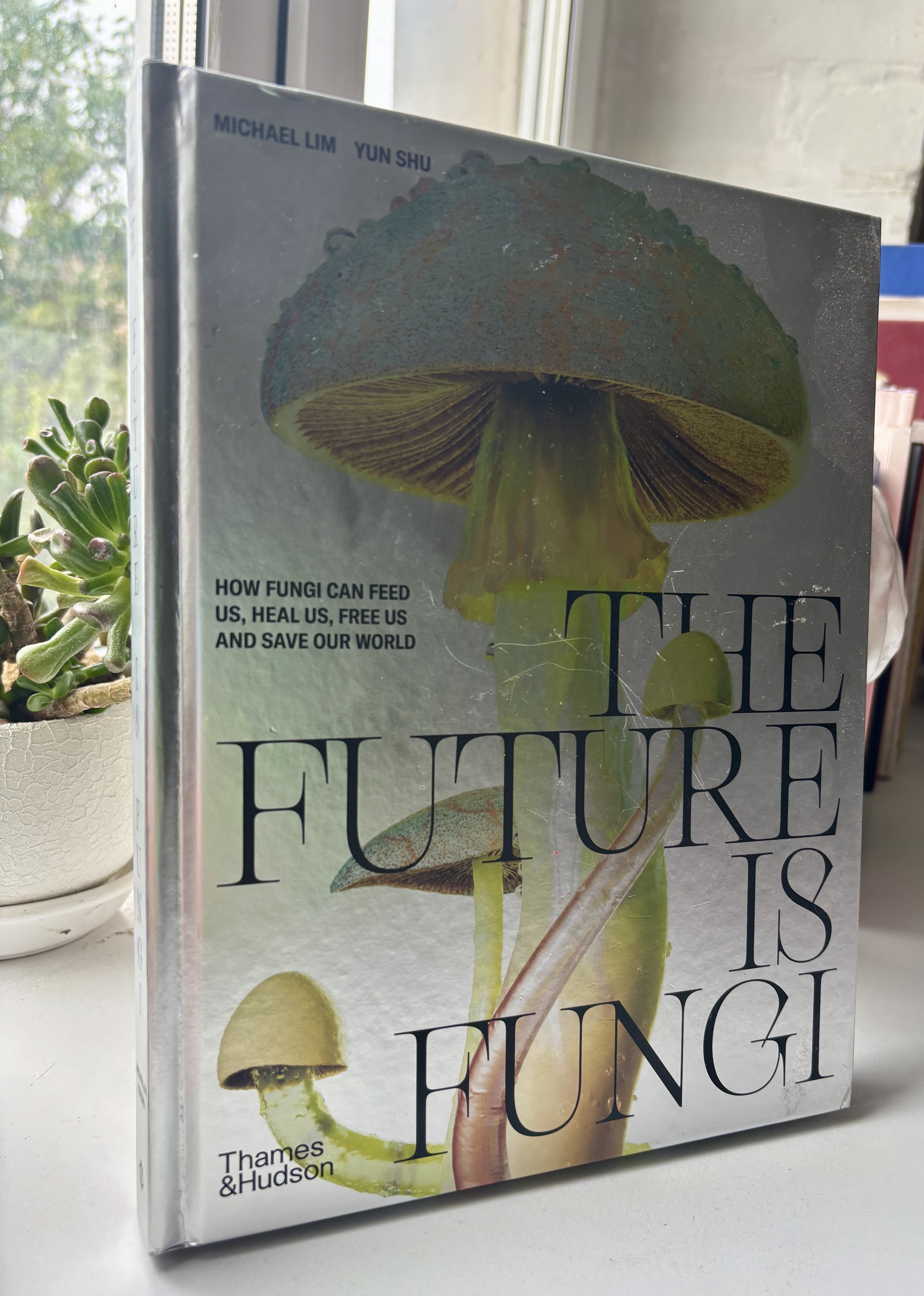
Mushrooms are a fascinating source of inspiration! They are rich in imagery, symbolism, and science, making them a great muse for creative work. Here’s why they’re so inspiring:
Aesthetic Variety of their forms ranges from delicate, umbrella-like caps to surreal, alien-looking shapes (think coral fungi or stinkhorns). With their textures, colours, and patterns, spotted caps, and glowing luminescence, they can spark visual exploration in art, fashion, and design.
Mushrooms symbolise transformation, decay, and renewal – they thrive on breaking down matter and creating life again.
The hidden mycelium networks beneath the soil can be metaphors for interconnectedness, ecosystems, and unseen systems in society or technology.
Their biology challenges our categories – fungi are neither plants nor animals, which opens space for speculative art and science fiction. Psychedelic mushrooms influence art movements, music, and literature, tying fungi to altered perception and creativity. Many cultures see mushrooms as magical or mysterious: fairy rings in folklore, sacred fungi in Mesoamerican rituals, or their appearance in Slavic tales.
Inspiration Examples:
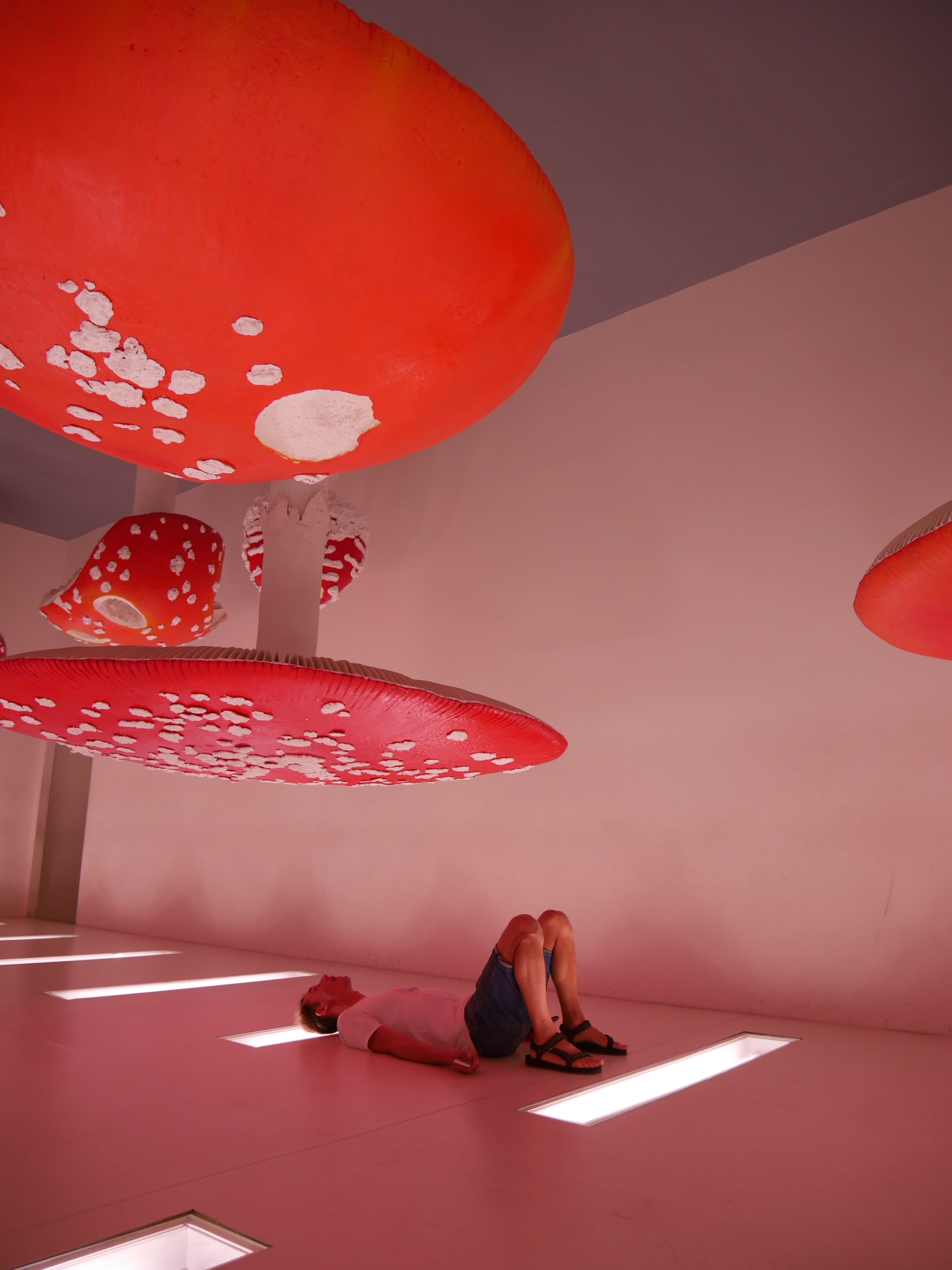
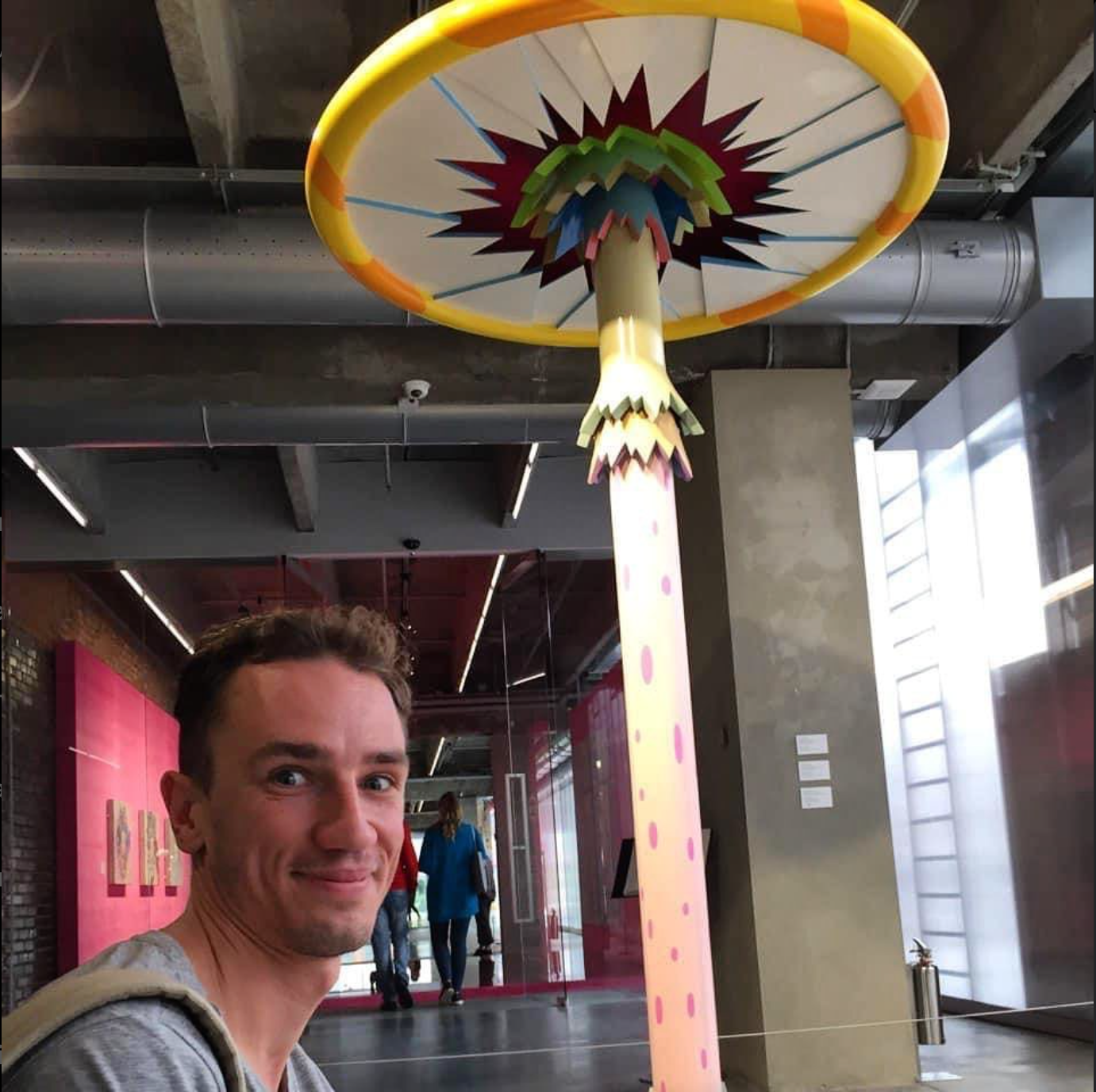
– Mycology-inspired sculpture: Artists like Takashi Murakami and Carsten Höller (photos) use fungi forms in installations.
– Bio-art: Using living mycelium as a medium for sculptures, lamps, or even architecture (e.g., mycelium bricks).
– Photography and Illustration: Mushroom macro photography reveals fractal-like patterns, inspiring textile or graphic design.
– Surrealism & Fantasy: Mushrooms’ unusual shapes lend themselves to dreamlike landscapes. Artists like Ernst Haeckel (scientific drawings) or contemporary fantasy illustrators often exaggerate their alien qualities.
– Color Studies: Brightly colored species (Amanita muscaria, Mycena chlorophos) are a natural palette for vibrant, psychedelic works.
– Botanical Art: Detailed mycology illustrations balance science and art, creating timeless works that celebrate nature’s geometry.
– Mycelium as a Material: Artists and designers grow sculptures, furniture, or fashion items from fungal mycelium, blending craft and sustainability.
– Large-Scale Installations: Carsten Höller’s giant mushroom sculptures (often upside down) invite viewers to see fungi as both playful and unsettling.
– Glass & Ceramic Art: Mushroom forms translate beautifully into glasswork and ceramics because of their organic curves and delicate balance.
– Patterns & Prints: Mushroom gills, spores, and caps inspire textile motifs.
– Natural Dyes: Certain fungi are used for eco-dyeing, making clothing literally “mushroom-inspired.”
– Avant-Garde Fashion: Designers experiment with mycelium leather (sustainable alternatives to animal leather).
– Macro Photography: Mushrooms offer fractal-like patterns and textures that photographers highlight through extreme close-ups.
– AI & Digital Collage: Artists remix fungi into surreal digital worlds, emphasising their alien aesthetic and connection to sci-fi themes.
– Organic Shapes: Mushroom domes and umbrella-like structures inspire biomimetic architecture.
– Living Materials: Some architects use mycelium to create biodegradable, strong, and lightweight building components, blurring art and science.
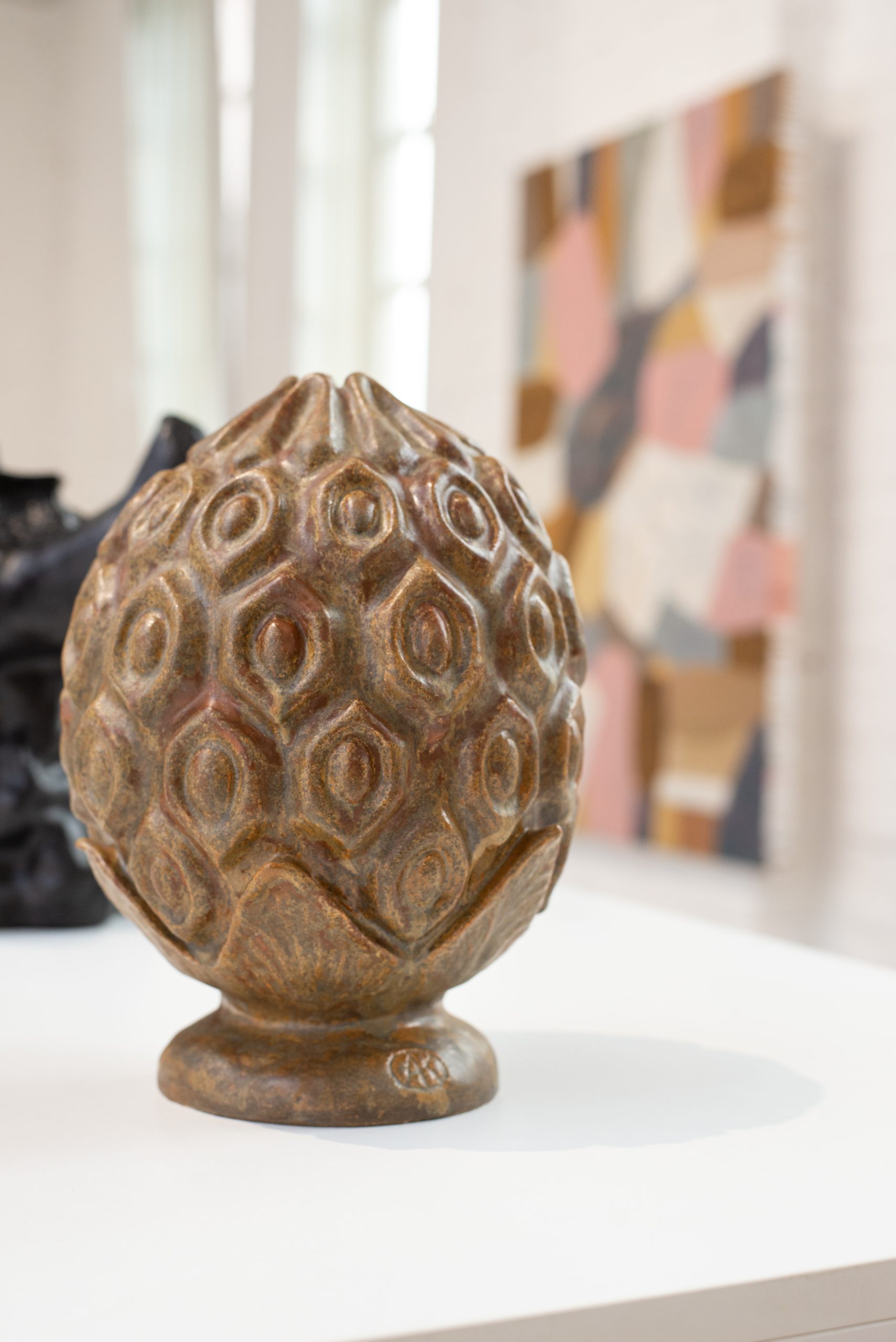
‘Cone’